Category Archives: Technology

All About Google Home

“Ok Google!  Turn down the lights and make me a sandwich!” — Isn’t this something you’ve been waiting to shout into the depths of your home?  Of course it is, except for maybe the sandwich part.
My friends, the time is here.  Meet Google Home.
We’ve seen and heard the fuss that Amazon’s Echo has made in the digital assistant and smart home world, but it’s time for our friend Google to try it’s hand at it with Google Home, powered by Google Assistant.  That’s right, Google Now and search have been prepping us for this moment and it’s here.  How?  Your voice searches are saved (you didn’t know?) and are used intelligently (not shared) by Google to help power it’s natural language platform that will allow for the Assistant to communicate with you and understand you better.  Doing so simply makes it easier to get the information you need faster based off of the questions you ask.
Google Home will additionally serve as a central automation hub for your home, which will further propel you into the internet of things (IoT).  The device is slated to work with Chromecast, Nest and Philips Hue with certainly more to come.  What does this mean?  While using the Google Home as your hub with you other devices, this will unlock a range of capabilities that will make controlling each of them that much simpler.
The design of the device is simply beautiful and blends in seamlessly with your interior decor.  In the housing are far-field microphone that will help to decipher your voice, in addition to a hi-fi speaker that is designed to deliver crystal-clear highs and rich bass.  On top, there are touch controls that gives the user full control of the device complete with a microphone mute button on the back.
Did I mention that Google Home is hands-free?
Bottom line:  This is what has taken Google 18 years to design, build and create for us.  The future is now and the internet, a recipe, the weather, your to-do list are all literally one keyword away.  Pre-Order yours today, here.
 

All About Google Wifi

One pack or three pack? Either way, Google has you covered.
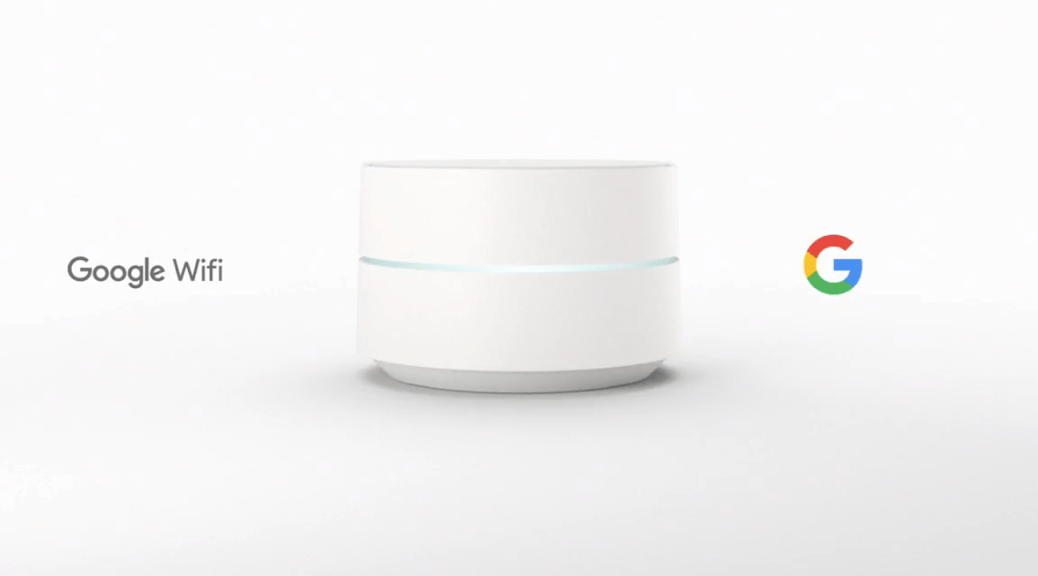
Product, Google Wifi.
So Google had to try it’s hand in wireless networking again apart from it’s OnHub solution.  This approach makes wireless simple and easy to control from one app that works either on iOS or Android devices.  The wifi pucks can function in a smaller house to a large house,which means the more coverage you need — you simply need to buy more pucks, with each covering approximately ~1500 square feet.
Top features of Google Wifi:
  • “Network Assist, which is intelligent software built into Google Wifi to provide you with the fastest possible speed. Behind the scenes, Network Assist automatically helps you avoid Wi-Fi congestion, and transitions you to the closest Wi-Fi point for the best signal.” (Source: https://madeby.google.com/wifi/)
  • Google WiFi app.  This app will be used for complete control and management of your home network and will allow for the admin to pause a users access and much more.
Bottom line:  Google WiFi seems to be a solid product that solves the problem of over-complicated network setup.  Google makes it easy.

Google Pixel First Impressions

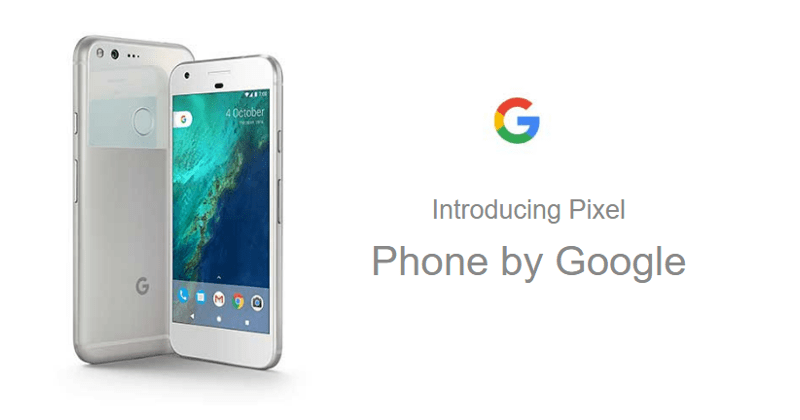
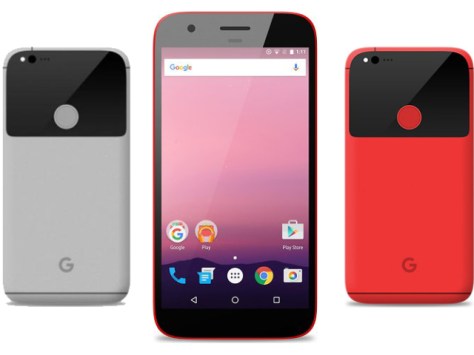
Google’s latest flagship smartphones have been revealed with the monikers Pixel (5″ version) and Pixel XL (5.5″ version). Nexus is officially dead. You heard it here first folks. The Nexus team will still be providing support; however, these phones note the end of an era of vanilla Android goodness and Pixel will take it’s place.

Features:

  • Google Assistant built in with Android 7.1, first device with this software addition.
  • Camera bump gone with a unique tapered design.
  • Best scoring camera of any smartphone….ever.
  • Newly designed Pixel launcher to getting to your favorite apps quickly and accessing Google Assistant in a moment.

Bottom line:  The new Pixel devices from Google seem promising.  Another step at taking back Android from OEMs and making a solid entry into doing that.  With phones made by Google, users can expect a lot more from their devices such as quality support, updates when they are released and non-crippled experience that wouldn’t be bogged down by carrier and manufacturer bloat.

Stop Dunking iPhones

The new iPhone 7 and 7 Plus are IP 67 water resistant; however, this does NOT mean they are waterproof. There is a difference here.  What does this mean? Your precious new iPhone can still get water damage if you’re “testing” it’s resistance to water.
maxresdefault
iPhone under running water.
What is ok?  Splashes, rain, accidental spills into a shallow depth of water and getting it out quickly.  What isn’t ok?  Submerging your device for 30 minutes to an hour in an attempt to show how resistant to water it is.  These are $700 and above prices devices, treat them as investments, especially when the new devices are hard to come by in these early weeks after the release.
Bottom line:  The iPhone’s IP 67 rating is there to protect the device and your investment, water damage can still occur on the device and can be detected by Apple, so be careful and don’t put your shiny new device in harms way because you want to “test” it’s resistance.

Google Pixel Devices, what to expect

This is what we’ve been waiting for for YEARS.  True Google devices, not necessarily labeled Nexus — but labeled as Google devices and to be sold as such.  Devices with marketing behind them to show the power of a true Google Android device that gets updates, is secure and puts user-experience (not bloatware or cookie cutter apps) at the forefront.  This is not only important to Google but paramount to users — at the end of the day, we (you) derserve a quality device that isn’t overrun with carrier software and will be secure and supplied with updates, which keep your device relevant, for years and in time.
Why does this matter?  Simple.  Everyone knows who Google is, having their name on the phone will be huge, rather than an OEM acting as if Android does not exist, when it’s actually powering the phone.
HTC made Google Pixel devices.

Quality
Device quality has skyrocketed over the past few years with better devices costing less and less.  This is doing two things, keeping device manufacturers competitive and making those that are producing high-quality devices on their toes.  Google understands the ramifications of creating a poor quality device, and the recent Nexus devices have shown that the company has commitment to creating devices that are solid in build quality.
Software
Two reasons we buy a device from Google is to get a pure Android experience and receive timely updates.  When other major manufacturers put Android on a device the code is modified and differentiated so that it can look different from another.  Up front, most users think that this is a good thing; however, over the course of years we have seen that this has created the word that has haunted Google and Android — fragmentation.  Fragmentation occurs when a piece of software is different from one device to the next, since this phenomenon happened, Google is simply unable to get updates out to all of its users due to the many channels that it must go through.  First, Google releases the code to the latest version of Android (either a full version upgrade or a monthly security update).  Next, the OEM receives that update and merges the changes to the ROM that it is using — sometimes there can be issues because on the OEM side they’ve usually modified the stock Android code to look or behave in a certain way.  Finally, the carrier has to test and push it out to the devices.
When it comes to updates and keeping your device secure, it is in your best interest to buy a phone directly from Google, like the upcoming Pixel or Nexus devices.
Experience
The stock or “Google” Android experience is usually better than that of a manufacturer in many ways — primarily because it is simple and lightweight.  Lightweight in terms of how much space the software takes up on the device and the fact there are simply less processes on these devices that run, which in turn makes for a quicker operating system because less things are being held in memory.  When it all boils down, a user simply wants their device to work well and usually when carriers and manufacturers get their hands on a device, expect a performance degradation.

Bottom line:  We are expected to see the HTC made Google Pixel phones on October 4th — let’s hope that this spirals Android into the right direction and forces OEMs to do a better job.  Perhaps it is best if some of them get left behind by increased standards.  It is simply best practice to care about and protect those that support you with secure and high-performing devices rather than refusing to update phones and tablets.