Tag Archives: Nexus

Impending Android Announcement

With Google’s latest Android announcement around the corner; Android fans, myself included, are on the edge of their seats.  There are many predictions to be had regarding what Google will show us on Monday, October 29th.
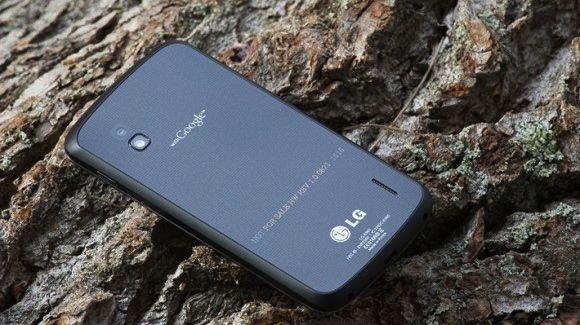
However, one thing is almost for certain:  We will see a new Nexus device.  What exactly does Nexus mean you ask?  Pure unaltered Android without lousy carrier or manufacturer modifications.  That means no extraneous bloatware can spoil yet another glorious Android device.  In addition, it is rumored that there will be a slew of new Nexus devices from many manufacturers just waiting to grace your pockets with stock Android greatness.  On the other hand, it would honestly be fantastic if Google would allow any OEM to “create” a Nexus device just by following strict guidelines:

  • No carrier installed apps
  • No Android UI changes
  • Meeting certain hardware specifications

Instantly we would have a variety of top-tier Android devices that were powered to get the job done.  This would be good for consumers as well as Google because it would put that confidence back to the Nexus name, which is one that Verizon almost put a black mark on by withholding system updates to their version of Samsung’s Galaxy Nexus.

Additionally, it is speculation that Google will refresh the Nexus 7 line by introducing a 32 GB model and potentially a model with 3G/4G support.  Speaking of powerful tablets; Samsung is rumored to be making a 10-inch Nexus tablet for our enjoyment.

On the other hand, this all boils down to a possible update to the Android operating system, which is currently at 4.1.2.  Yes, Android 4.2 (Key Lime Pie) is on the horizon.  Does Android need a new full-update or an incremental update.  Remember, Android 4.0 and 4.1 together have a combined marketshare of 25%; so, is this the best time for a new version to be released?  It seems that OEMs typically put either the latest or next to latest version of Android onto the devices they build so, just as a new version will be a good thing for us early adopters — how long will it take to penetrate the market?

Bottom line:  What happens at Google’s announcement will likely awe us.  Be prepared for a new Nexus device of sorts and if a new version of Android comes out, be prepared to sell it to your friends — let’s help take away market from Gingerbread ( Android 2.3) and give it to finer tuned versions of Google’s OS!


Should I root my Android device?

Rooting your Android device is certainly a question that should enter the brain of any technology and Android enthusiast.  Why?  The answer to that question is simple – pure, raw, unadulterated control of your device.  Sure, Android is pretty customizable stock from your OEM of choice:  Samsung, Motorola, HTC, LG and more; however, if you want to overclock, underclock, block ads (ALL ads) and most importantly, run custom ROMs, then rooting is certainly for you.

First off, rooting your device and unlocking your bootloader will VOID your warranty.  However, as you dive more into the world of root you will realize that everything you do to your device is completely reversible and if you ever want to return to stock (why be stock?), be un-rooted, and have your bootloader locked again.  On the other hand, after rooting you’ll never want to be without it again.

Google wants Android to be open; it is the OEMs and carriers that sometimes make it difficult to enjoy Android as it was meant to be.  How do they do this?

  • Over skinning of Android when it is absolutely astounding stock.  (Ie. Samsung’s TouchWiz, Motorola’s MotoBlur, and HTC Sense; making updates even harder for you to get — most claim this makes Android easier, but it isn’t hard if you just let users USE it.)
  • Carriers loading your phone with bloatware that can potentially slow your device down
  • Carriers taking their sweet time with the “testing” of an Android update (Ie. From ICS 4.0 to JellyBean 4.1)

However, since the acquisition of Motorola Mobility by Google, the latest Motorola devices are taking a more stock approach to Android and are being generally well received.

Pros of rooting your device:

  • More customizations
  • Custom ROMs, your phone will always be up to date with the latest version of Android as long as developers support it; hence why the Nexus line of devices is so popular.
  • Un-altered tethering
  • Backups (Who wouldn’t want a backup of their device?)
  • Removal of carrier bloatware
  • Ad blocking
  • New phone feeling; brings older devices back to life and makes new phone even better

When it comes to customizations I like to have complete control; take a look at my main homescreen on my Verizon Galaxy Nexus running AOKP Build 3:

Cons of rooting your device:

  • Bricking (When rooting and installing custom ROMs there is a possibility that you could render your device useless ie. a brick.  However, like everything you do you a technological device, it can be fully reversed.  If your device boot loops or a ROM installation goes awry, simply flash back to stock or just re-flash another ROM.  On the other hand, that is why creating a backup of your ROM is essential when you are an avid root and ROM-er.

Other than that, there is absolutely nothing wrong or bad about unlocking and rooting your device; in fact Google encourages it.  Why would the creator of this mobile OS stand-by and let users gain root access; simple because it is YOUR device — the same cannot be said of the other mobile operating systems out there that lock you into their “bubble”.

Bottom line:  Should you root your Android phone?  Yes, by all means go for it; enjoy a custom ROM, recovery, and more on your device; it is YOURS.  Rooting and ROM-ing is even more important for the Android purist, like myself, who enjoys the stock look of feel of this fun mobile operating system just as Google meant it to be.

Where is my Nexus 7?

The Google Nexus 7 has been the biggest tablet release of the year.  This product sports Android 4.1 JellyBean, a quad core processor, 12 graphics cores, scratch resistant glass all for $250 or less.  So, there is no wonder why all of those who pre-ordered cannot take the wait any longer.

The aspect of the pre-order that seems to anger those who participated are that eager buyers went directly into Sam’s Club and came out with a device the same day.  I actually ordered my device on the day it was announced during Google I/O (along with millions more) and yet I am still patiently waiting the arrival of my Nexus 7.

Bottom line:  Some are mad — however, there is nothing that we can do except wait for our beautiful game-changing 7 inch tablets to arrive at our doorstep.  In addition, calling the Play Store 1(855)836-3987 will lead you to a message informing that pre-orders are indeed shipping.  Realize that once you have this device in your hands, all of the turmoil will instantly leave.

Hello, Google Nexus 7

Everything that you could have ever wanted in a 7 inch tablet is here.  What is that, you mat ask?

  • Nexus-branded
  • Android 4.1
  • Quad-core Tegra 3 1.5 GHz processor
  • 12 core GPU
  • 1 GB RAM
  • 1200×800 HD display (216 ppi) on scratch resistant corning glass
  • 4325 mAH battery
  • $199 starting price tag for 8 GB model ($249 for 16 GB model)

Some are calling this an Apple iPad killer, others are calling it an Amazon Kindle Fire killer, I am calling it a staple in the tablet market with an unmatched experience that is topped off by Google Play.  When Google first switched the Market to the Play Store confusion was in every corner of the Android world; however, with Play Books, Play Movies, and Play Music on Android devices we saw how it could be tied all together.  We all know that tablets are media consumption devices and what better way to consume media than Google Play.

The Nexus 7 is built by one of the leading tablet manufacturers for Google, Asus, so the hardware is not lacking in any area.  In addition, Android 4.1 (Jelly Bean) really shines; taking Android to the next level.  This latest software iteration introduces Chrome as the default browser, new notification interactions and takes full advantage of Google’s Project Butter, which focuses on the operating systems responsiveness — as if Android 4.0 Ice Cream Sandwich wasn’t fast enough, this next iteration is blazing fast.

Bottom line:  Getting the Nexus 7 really isn’t a choice if you are an Android purist and want a seamless device.  However, if you are in the tablet market for the first time this $200 (8 GB version) is well worth every penny and has the specs to keep up for a while!  In addition, for a limited time with purchase receive $25 of credit to spend in Google Play, other free content, and it includes a copy of Transformers: Dark of the Moon.  Buy the Nexus 7 [HERE]