Android 4.0 is arguably the most mature and polished iteration of the Android operating system that Google has ever released. Honestly, the usability, stability, and sheer prowess increase with every release. In addition, the first device to come with Android 4.0 (ICS) is a super-phone packing tons of power. The Samsung Galaxy Nexus makes the Android experience snappy as you switch through home screens and applications in a breeze. I was very optimistic about the performance of this new device; however, since it was a dual-core phone with a higher amount of RAM if you are coming from a Moto Droid X or similar you will see a huge difference.
True selling points of ICS:
True task switching
Snappy and lightweight
Stock launcher is beautiful
NO NEED TO ROOT
Normally, with Android phones you are given a lot you can play with such as the launcher, browsers, SMS applications and more. ICS on the Samsung Galaxy Nexus is perfectly capable of handling anything that you throw at it. As previously mentioned, the maturity of this operating system shines through greatly with updated SMS, browser, and contacts applications.
Bottom line: Although Android is all about customizations and tweaking the phone to your desires; the Galaxy Nexus with ICS just works. Now that Google has shown what it can do, we can only expect Android to get better and consume even more of the market.
Apple wants to get into yet another market. Is anyone surprised? By now any technologist should come to grips with the reality that Apple wants to take over your digital lives. Will this dream become a reality? Doubt it; especially as long as you have Android defeating them in the mobile sector and Amazon defeating them with the Kindle.
However, Apple has a tendency of making whatever they do look really good. Until now. Apple has released iBooks2, which will allow users to download and interact with books on iPad devices.
There are several reasons to why this may not be a good move for Apple, Inc.:
The user has to have an iPad, which might not bode well for a 7 year old elementary school child with no income
The iPad devices, while excellent for retrieving cloud-based data, do not fare too well in direct sunlight; limiting the overall time and place settings where the reading of these digital books can take place
iBooks Author app is a complete scam that locks publishers into an agreement with Apple that cannot be reversed (once an iBook is submitted it becomes property of Apple Inc. regardless of whether or not it is approved)
Though, there are reasons why it is not a good move for this company; a common fact about technological entities is that they usually force users into accepting certain traits about products without too much backlash; however, when it does occur, it is severe.
Bottom line: Stick with Amazon, these early signs do not bode well for the iBooks2 platform.
Steve Kondik, creator of CyanogenMod custom Android ROM, recently revealed that his third party tweak of Google’s Android has reached over 1 million users. This is certainly remarkable for the Android community, primarily because CyanogenMod certainly releases Android to users without bloatware and typically tries to keep popular devices up to date with the latest version of the OS.
The way that Kondik manipulates the OS to run smooth and clean the way a true Android purist loves is unbelievable; if only all Android phones could be as streamlined. For example, the manufacturers could load few applications that were specific; yet let Kondik refine the experience to cater to the user and not cater to the carrier getting money from them.
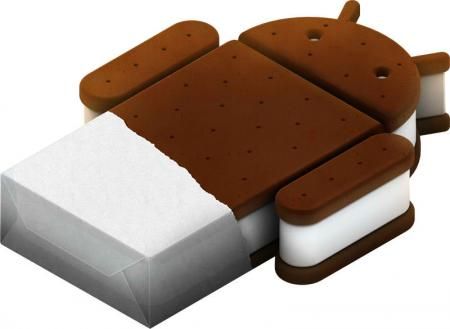
With the implementation of Android 4.0 (Ice Cream Sandwich) we have seen the most polished version of Android yet. The UI gorgeous and the speed and stability of the system is clearly unmatched by any of the previous versions. However, Google has gotten fed up with phone manufacturers debasing the Android experience by putting their own theme on top of the OS and not giving the consumer an option to revert back to the stock UI.
Those times are gone.
Android has been plagued by fragmentation every since Google started distributing it. This is certainly an excellent business move that will help Google and ultimately help the entire community. How? The hundreds of thousands of app developers will know that the UI that they build and test their apps on will be available to those that purchase Android devices. This comes as exciting news because when Motorola, Samsung, HTC, and others throw their custom UIs atop stock Android it takes away from what Google meant to be there. On the other hand, this does not mean that manufacturers can no longer build a theme to replace Android 4.0; yet the device must include the default theme, Holo. Google stated, “If the device has Android Market it will have the Holo themes as they were originally designed.” Read the full post from the Android Developers Blog Here.
Bottom line: Google has wizened up and this move will certainly make Android more visible as a large proponent of the smartphone market; rather than looking and feeling so different on every device that you pick up.
In the world of mobile handsets everyone has heard and/or used Apple’s iOS or Google’s Android operating system at some point. However, these two behemoths can easily overshadow their competition. How?
The market is flooded with Android devices; from high-end to low-end
Apple is everywhere and the attitude of the company seems to belittle the entire market
So, with two powerful players how can anyone achieve success? It is possible; yet, the competing platform must be differentiated and stable. HP’s webOS was just that and it failed, so how could Windows Phone 7 be any better? First, Microsoft has been backing it’s mobile operating system for years while HP was impatient with webOS (although now they have chose to open-source the platform — good business decision) and pair that with poor marketing. Second, Windows Phone 7 is a tremendous upgrade over the Windows Mobile of yesteryear. The metro-UI is great and the operating system runs very fast and seamless. With so many strong points to an operating system how could it not be a player in the mobile market? There are a few ways for WP7 to push forward:
More devices on all major carriers
Dual-core devices will make the platform even faster
Increased marketing
Although WP7 has the lowest market share of the three (iOS, Android, and WP7) it is doing several things right. For example, when compared to Android it has much better system support by providing all phones with updates; this drastically reduces the risk of fragmentation. On the other hand, when compared to Apple, the OS seems to be just as responsive and has power in not being limited to one specific piece of hardware.
Bottom line: WP7 will potentially go nowhere but up if Microsoft plays their cards right; this mobile OS reminds be of webOS because of the significant amount of potential that it has to be a leader.
Tech for the masses, meant to empower, educate and inform by Dexter Johnson.



 DexJohn's PC