Tag Archives: Android

Impending Android Announcement

With Google’s latest Android announcement around the corner; Android fans, myself included, are on the edge of their seats.  There are many predictions to be had regarding what Google will show us on Monday, October 29th.
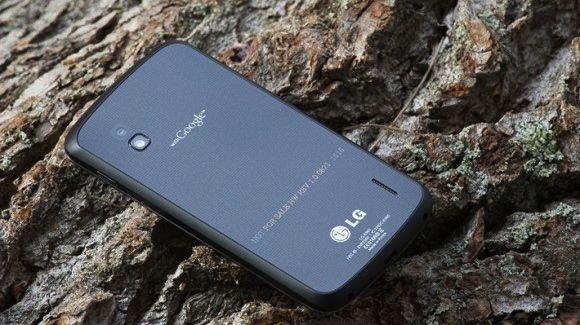
However, one thing is almost for certain:  We will see a new Nexus device.  What exactly does Nexus mean you ask?  Pure unaltered Android without lousy carrier or manufacturer modifications.  That means no extraneous bloatware can spoil yet another glorious Android device.  In addition, it is rumored that there will be a slew of new Nexus devices from many manufacturers just waiting to grace your pockets with stock Android greatness.  On the other hand, it would honestly be fantastic if Google would allow any OEM to “create” a Nexus device just by following strict guidelines:

  • No carrier installed apps
  • No Android UI changes
  • Meeting certain hardware specifications

Instantly we would have a variety of top-tier Android devices that were powered to get the job done.  This would be good for consumers as well as Google because it would put that confidence back to the Nexus name, which is one that Verizon almost put a black mark on by withholding system updates to their version of Samsung’s Galaxy Nexus.

Additionally, it is speculation that Google will refresh the Nexus 7 line by introducing a 32 GB model and potentially a model with 3G/4G support.  Speaking of powerful tablets; Samsung is rumored to be making a 10-inch Nexus tablet for our enjoyment.

On the other hand, this all boils down to a possible update to the Android operating system, which is currently at 4.1.2.  Yes, Android 4.2 (Key Lime Pie) is on the horizon.  Does Android need a new full-update or an incremental update.  Remember, Android 4.0 and 4.1 together have a combined marketshare of 25%; so, is this the best time for a new version to be released?  It seems that OEMs typically put either the latest or next to latest version of Android onto the devices they build so, just as a new version will be a good thing for us early adopters — how long will it take to penetrate the market?

Bottom line:  What happens at Google’s announcement will likely awe us.  Be prepared for a new Nexus device of sorts and if a new version of Android comes out, be prepared to sell it to your friends — let’s help take away market from Gingerbread ( Android 2.3) and give it to finer tuned versions of Google’s OS!

Should I root my Android device?

Rooting your Android device is certainly a question that should enter the brain of any technology and Android enthusiast.  Why?  The answer to that question is simple – pure, raw, unadulterated control of your device.  Sure, Android is pretty customizable stock from your OEM of choice:  Samsung, Motorola, HTC, LG and more; however, if you want to overclock, underclock, block ads (ALL ads) and most importantly, run custom ROMs, then rooting is certainly for you.

First off, rooting your device and unlocking your bootloader will VOID your warranty.  However, as you dive more into the world of root you will realize that everything you do to your device is completely reversible and if you ever want to return to stock (why be stock?), be un-rooted, and have your bootloader locked again.  On the other hand, after rooting you’ll never want to be without it again.

Google wants Android to be open; it is the OEMs and carriers that sometimes make it difficult to enjoy Android as it was meant to be.  How do they do this?

  • Over skinning of Android when it is absolutely astounding stock.  (Ie. Samsung’s TouchWiz, Motorola’s MotoBlur, and HTC Sense; making updates even harder for you to get — most claim this makes Android easier, but it isn’t hard if you just let users USE it.)
  • Carriers loading your phone with bloatware that can potentially slow your device down
  • Carriers taking their sweet time with the “testing” of an Android update (Ie. From ICS 4.0 to JellyBean 4.1)

However, since the acquisition of Motorola Mobility by Google, the latest Motorola devices are taking a more stock approach to Android and are being generally well received.

Pros of rooting your device:

  • More customizations
  • Custom ROMs, your phone will always be up to date with the latest version of Android as long as developers support it; hence why the Nexus line of devices is so popular.
  • Un-altered tethering
  • Backups (Who wouldn’t want a backup of their device?)
  • Removal of carrier bloatware
  • Ad blocking
  • New phone feeling; brings older devices back to life and makes new phone even better

When it comes to customizations I like to have complete control; take a look at my main homescreen on my Verizon Galaxy Nexus running AOKP Build 3:

Cons of rooting your device:

  • Bricking (When rooting and installing custom ROMs there is a possibility that you could render your device useless ie. a brick.  However, like everything you do you a technological device, it can be fully reversed.  If your device boot loops or a ROM installation goes awry, simply flash back to stock or just re-flash another ROM.  On the other hand, that is why creating a backup of your ROM is essential when you are an avid root and ROM-er.

Other than that, there is absolutely nothing wrong or bad about unlocking and rooting your device; in fact Google encourages it.  Why would the creator of this mobile OS stand-by and let users gain root access; simple because it is YOUR device — the same cannot be said of the other mobile operating systems out there that lock you into their “bubble”.

Bottom line:  Should you root your Android phone?  Yes, by all means go for it; enjoy a custom ROM, recovery, and more on your device; it is YOURS.  Rooting and ROM-ing is even more important for the Android purist, like myself, who enjoys the stock look of feel of this fun mobile operating system just as Google meant it to be.

iPhone 5, why it isn’t that great

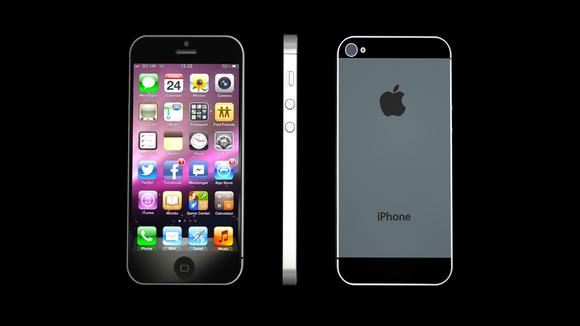
Apple, a company known for making beautiful looking and innovative products are equally known for entrapping customers in their ecosystem and releasing incremental upgrades that you “have” to buy.  The iPhone 5 is exactly that, an incremental upgrade that honestly is not that great.  Why?

Let’s start off by getting the facts out of the way.  Apple has the largest app collection on the planet, top-tier developer support, recurring users and devices that look like they should be walking down the runway.  On the other hand, with all of these facts that they can tout; they still do not have the highest global market-share like Google’s Android.  When Apple releases a product things are greater than “big”, they are gargantuan.  The press loses its mind, there is leak after leak and fan-boys worldwide almost pass out as the new device is unveiled.  However, things just were not the same with this release.  Apple not only released this update to the phone because the iPhone 4S had been out for a year, but because they had to play catch up with the market leader.  To prove a point, these are a few of the upgrades to the iPhone:

  • 4G
  • 4 inch screen
  • Faster Wi-Fi
  • Thinner
  • Battery improvements
  • Call screen options (such as: send a text to the caller letting them know you are in a meeting etc.)
  • Panoramic photos
  • Can captures pictures will recording video

Now, with these “upgrades” in line, let’s debunk them.  4G LTE is a technology that practically every high-end device released in the last year and a half has taken advantage of, the iPhone should have included it in the 4 or 4S, but it did not.  As usual, the company forced it’s customers to wait on a technology that, at the time, was already advanced enough to go into their phone.  The part that is even worse is that the buyers of the phone accepted it; which I will never understand.  The iPhone has had the same size screen since it’s “revolutionary” debut in 2007.  Why?  The screen size of 3.5 inches should’ve been discarded with the iPhone 4 iteration, imagine if they debuted their retina display on a 4″ or 4.5″ display — that would’ve been truly resolutionary.  Honestly.

The rest of the list of “upgrades” are things that older phones have had for a while.  On the other hand, when Apple releases these same features they are treated as if they are brand new and unbelievable. Whether you love the iPhone or not, it is hard to say that these additions weren’t a long time coming.

Bottom line:  I watched the keynote, not to climb on an anti-Apple perch; but, to honestly hope to see something great and new.   I saw something good, the iPhone 5 is a beautiful looking device, perhaps the best design on the market.  But when you pair a list of improvements that aren’t new with the same stale OS from 2007 – it just isn’t that great; but Tim Cook had the audacity to say, “It is the biggest thing to happen to the iPhone since the iPhone.”

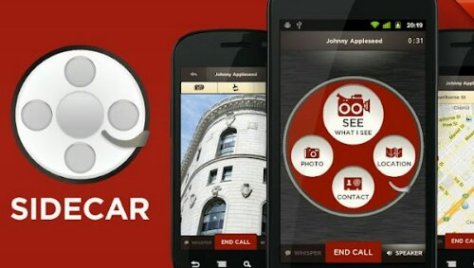
Forget your carrier; get Sidecar

Voice over IP is evolving with an excellent gem of an app called Sidecar, which is available for Android and iOS devices.
Call quality as you might expect is not better than that of you carrier by any means. On the other hand, it is very good for a Wi-Fi connection; in fact there is an option to increase the quality of the audio, which will use more data. Reviews for the application for Android have came together to form a solid 3.7, which says that although the app is good there is room for improvement.

image

Aside from calling, users can share video, short messages, and more.

Bottom line: This app is a must have and it really shows the future that is in the palm of technology’s hand. Sidecar will only get better; be that early adopter.

Google Infringed on Oracle?

These past few months have riddled the technological world with court case after court case.  The strange thing is that Google seems to be in the middle of almost every lawsuit.  Why?  Here is the breakdown —  Android is an open-source operating system built for smartphones.  Not only has the Android platform appealed to many users it has appealed to so many that they are shaking up things in the smartphone market and it is making manufacturers and developers upset.  So, what do you do when another company innovates faster and more than you?

Innovate and try to become better?  No, you take them to court and try to stop their products from being sold.

Oracle claims that Google is infringing on copyright after copyright.  Since Android itself is open-source they have used similar lines of code that are allegedly Java-related.  The biggest retort from Google is that they did not realize that you could copyright a programming language.

This is equal to the “creator” of the modern English language to sue a man for writing a book that contains certain words and phrases.

Bottom line:  It appears that everyone wants a piece of the pie.  Just because an entity is open does not mean that it is always stealing from ones that are not.  Oracle has proven that Google has infringed in certain areas leading to a partial verdict.  Read more [HERE]