Tag Archives: Samsung

Ready for the Galaxy S IV?

With the latest iteration of the Galaxy line slated to be introduced the mobile technology world is clamouring with rumors left and right. The Samsung Galaxy S III is and was certainly a great device.  One that brought about innovation and a lot more eyes onto the Android platform and you should expect the next iteration to do the same thing.

Samsung, although they stray from stock Android, they usually do so and bring about applications and tweaks that bring the best out of Android.  For example, the apps that are included with the Galaxy Note truly make it a remarkable experience and the same trickles down to the Galaxy S line of devices.

Bottom line:  The Samsung Galaxy S IV will be another defining device of the year.  It’s predecessor stemmed innovation in the market and nothing less should be expected from this device.

Apple Cuts Orders for iPhone 5 Parts

Apple is losing grip. In addition, to the stock price of the company going down, orders for iPhone LCD screens and other parts are also down. So, with Apple potentially producing less iPhones to sell that means that other manufacturers could be able to capture more marketshare. Who could step up to the plate?

For starters, Samsung has already proven itself as a worthy adversary as the now leading smartphone maker in threw world. Why? Samsung is truly innovate, Apple took a winning recipe and tried to copy and paste it too much. At this point, the iPhone is looking old and tired in a market that is full of phones that differentiate themselves from the competition. Samsung has released potentially the best smartphone of 2012, the Samsung Galaxy S III, packing unbelievable specs, a fantastic display and running the finest mobile operating system, Android. In addition, let us not forget about the phone that made it OK to carry a huge device in your pocket, the Samsung Galaxy Note.

iPhone-Parts

Other manufacturers are releasing compelling devices by the droves making Apple iPhone look simpler by the day.

Bottom line: The market wants innovate products that have not looked the same since 2007 — Apple’s tried and true is apparently telling a fib.

Samsung Vs Apple; Why?

Recently, Apple has been more cutthroat in it’s ongoing battle against the Android ecosystem.  Although Apple has never filed an injunction against Google itself, primarily because of the fact that it would lose, it constantly engages OEMs that use the Android operating system on its devices.

No matter who wins this pathetic lawsuit (if anyone wins) the true losers are clear: US.  The consumers will lose because there will be less choice on the marketplace, which is exactly what Apple wants.  Samsung has taken the smartphone market by storm and has really shown the Android world that Samsung is the way to go.  However, although Apple has substantially better margins on the products that it produces it still wants to go after a company who is creating a product that is in the same marketplace as their own.  True technologists believe in competition; it is a shame that Apple is playing the victim when they have dominated for so long.

This entire case centers around the thought that Samsung copied Apple.  Remember this is the same company that told you you were holding your iPhone 4 incorrectly when you lost signal.  This company cannot admit when they are wrong and defeated.  Documents tied to Apple reportedly have the company making the statement, “Apple has identified dozens of examples where Android is using or encouraging others to use Apple patented technology.”  However, Samsung and other key Android OEMs has went to great lengths to differentiate their products to ensure that they do not infringe on any of Apple’s useless patents.  For example, the Samsung Galaxy Nexus was temporarily banned because of a silly patent injunction.  It truly seems that Apple wants to try any underhanded scheme they can to take competition out of the market.  Honestly, at this point Google should step in.

One word: Pathetic.

Bottom line:  For a “computer” company, you would think that they could make money in many ways; however, the savior of Apple is iOS.  Steve Jobs left a selfish attitude at the company; however, Tim Cook doesn’t view the company exactly as his predecessor did.  So, we will see how future trials, if any, turn out.

Will Windows 8 tablets do well?

Microsoft is really pushing that Windows 8 will truly unite their platform across all devices and really give it a consistent look.  However, the biggest issues are how well will Windows 8 tablets (slates) do and how will the OS fair on the desktop.  Honestly, there shouldn’t be another OS that is better fitted for the enterprise than Windows 8.  Sure there is a learning curve; but that SAME learning curve is there when one would hand an executive an iPad.

Things that could really work in Microsoft’s favor:

  1. Unified across devices
  2. Able to support many Windows applications; not just 500,000 apps
  3. Windows tablets will provide more accessibility via USB input etc.
  4. Multiple arenas for running applications (Metro or Windows desktop)

Bottom line:  If Windows 8 turns out to be truly portable and is not overly expensive on a tablet this could potentially be a shifting in the tides.

Specs; do they still matter in 2012?

Single core processors, dual-core, quad-core, six-core…retina display, HD display, polished aluminum — all of these specifications and more are the things that entice us gadget lovers to lose our minds and buy; yet again.  Yet in recent years most tablets, PCs, and other electronic devices work decently as they should and the question, “Do specs still matter?” still comes to mind.  For example, the Asus Transformer Prime is a quad-core lightning fast Ice-Cream Sandwich running monster of a tablet; yet does it have to be quad-core for it to run as it should?  Or are we just being sold on specs and the dream that it might run a litter faster?
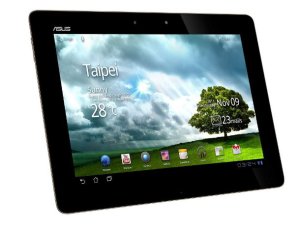
Personally, I am a fan of Android; however, when it comes to seamless integration of an OS and the hardware Apple has it down to an art form.  Why?  Simple, the OS is tailored for the hardware, so that user experience is almost second to none.  On the other hand, and Android OEM must take stock Android and tailor it to fit their needs and this could potentially cause inconsistencies across the market.  So, what do hardware manufacturers do?  They beef up the spec sheet.  This could almost be sort of a fail-safe — think about it.  If the software isn’t exactly what it should be — the superior hardware of the tablet will make up for it.  Is this a good assumption?  I think so.
Bottom line:  The year is 2012; almost everything that reputable hardware manufacturers such as Samsung, Apple, Motorola, LG, and more release is an actual decent product.  In addition, if you use it the way it was intended to be used, the product should continue to run smoothly for some time.  There will continue to be some differences between iOS and Android as they continue to grow — important notes about Android devices are that they mirror the PC more because the OS is built for true multitasking — this is why they need to be more powerful than the Apple counterparts.

Choose whichever side meets your needs; although there must be power in these devices for a reason.